Sovereign AI
The private environment
The proposed customer-owned system brings local models and private knowledge together. People can ask questions and inspect the evidence directly.
Explore Sovereign AI →Sovereign AI / In development
We are developing private AI for people and the agents working on their behalf. The aim is to connect your organization's own knowledge with evidence about the outside world while keeping private work under your control.
Institutional control means deciding where your data is processed, which models are allowed to use it and who has authority to act. We are designing the private system around those responsibilities, from the infrastructure to the answer a person or agent receives.
Discuss your requirements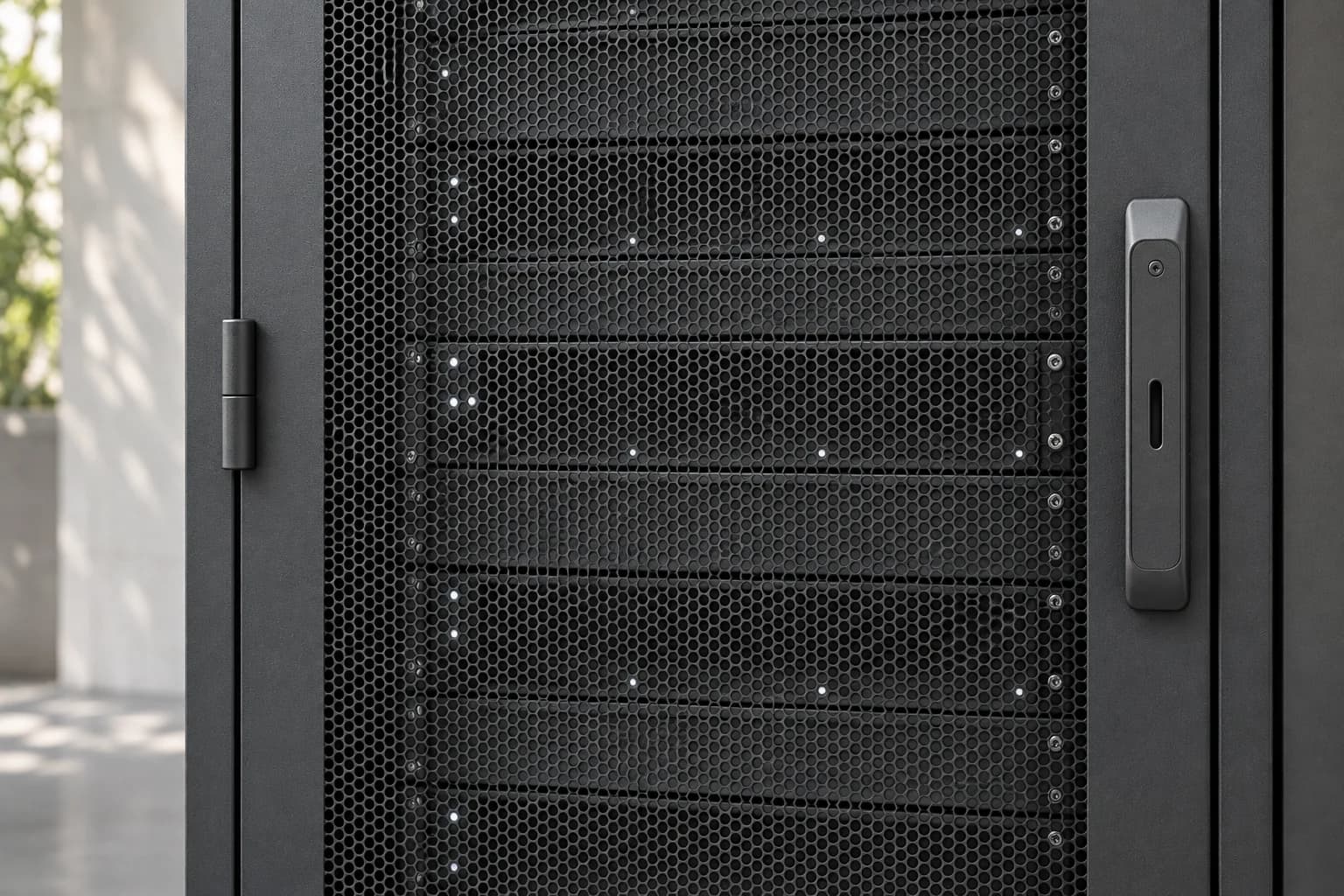
Sovereign AI
The proposed customer-owned system brings local models and private knowledge together. People can ask questions and inspect the evidence directly.
Explore Sovereign AI →AgentLayer
Authorized agents currently read WorldState within the permissions you give them. The planned sovereign system would keep their private work inside the same customer-controlled environment.
Explore AgentLayer →WorldState
People and authorized agents use connected external evidence, with its sources, dates and limitations preserved. Approved imports would bring that context into the private system.
Explore WorldState →The appliance direction
People would use the system directly. Authorized agents would work with the same permitted private context inside the box. Neither path would send private questions or results back to CrowdAlpha.
Documents, questions, embeddings, answers and logs are intended to stay within your approved private environment.
The appliance is designed for local models throughout the private workflow, with no hosted-model fallback or mandatory CrowdAlpha runtime connection.
WorldState evidence would enter through customer-approved imports. A private question would not be sent outward to retrieve it.
You would control identities, permissions, keys, retention, updates and recovery. An import would not grant CrowdAlpha access.
Local system / In development
A customer-controlled server, sized for the selected model, context length and concurrent load. Hardware configuration and benchmarks remain to be qualified.
Run selected models locally. GPU memory determines which model and context fit.
Support retrieval, document processing and concurrent work.
Keep models, private files, indexes and logs on local storage.
Design target: no Internet egress. Approved external evidence and software updates would enter through customer-controlled inward imports.
Measured on the intended model, context length and workload. No benchmark results published yet.
Illustrative applications
The direction is a configurable private AI system across sectors and environments. These five areas show its intended range. Each deployment would be scoped around its own data, users, models, hardware and operating requirements.
Find and assemble the internal evidence behind a research brief.
For example: Law, research, education and advisory work.
Connect design history, test results and operating context.
For example: Motorsport, manufacturing, energy and aerospace.
Find the right procedure and the records behind it.
For example: Casinos, hospitality, finance and logistics.
Bring permitted institutional information together for accountable review.
For example: Government, healthcare, utilities and public institutions.
Use local knowledge and imported context where connectivity is limited.
For example: Field sites, vessels, industrial equipment and space systems.
These are proposed deployment profiles. Their custody and operational boundaries differ, and each requires its own implementation and acceptance.
A physical system in your private environment. The target is independent local operation with no Internet egress and optional approved inward imports.
A separately scoped deployment with explicit infrastructure, administration, regional, key and network responsibilities.
A separately scoped CrowdAlpha-operated service with declared processing and infrastructure dependencies.
Development status
Existing work provides governed external evidence and authorized agent interfaces. The complete private-document workflow, local model stack, offline context import and appliance isolation still require implementation and verification.
Tell us who needs to use the system, which information must stay private and what outside evidence would be useful. Describe the hardware, integration and operating constraints that the deployment would need to meet.
Discuss your requirements